Where Accra households once burned their rubbish because nobody collected it, more than 500 informal waste workers now collect it for a small fee instead.
1,072tonnesWaste diverted from landfill and open burning (Ghana, Uganda and Botswana combined)
14.3ktonnes CO2eEmissions avoided (GAYO estimate)
At Jantuakrom, nurses who once delivered babies by torchlight now run a vaccine fridge on a 3.6 kW rooftop array that four local trainees helped install and still maintain.
6clinicsRural health clinics electrified
24percentRise in vaccines administered at Jantuakrom CHPS six months after solar
Accra is wiring itself with low-cost sensors to see, for the first time, exactly where its toxic air is hitting hardest.
30%Air pollution and carbon emissions reduction target by 2030
1,790deaths/yearEstimated preventable deaths avoidable annually in Greater Accra if WHO air guidelines are met
Fights fast fashion's 'waste colonialism' from inside Accra's Kantamanto, the world's largest secondhand clothing market.
10tonnesClothing waste removed from Accra's beaches weekly
25MgarmentsGarments recirculated through Kantamanto monthly
Clean Team Ghana rents families in Kumasi a private in-home toilet and sends a Ghanaian crew to swap the sealed waste container for a clean one every week.
70people (over 70)Ghanaian staff delivering the service
14kpeople (target)Target: people with safely managed sanitation by 2027
Ghana had no community seed banks until NUS Network-Ghana set up a pilot at Adawso in 2023, and its newest at Abrewankor now holds 58 local varieties including fonio.
58varietiesLocal crop varieties held at Abrewankor community seed bank
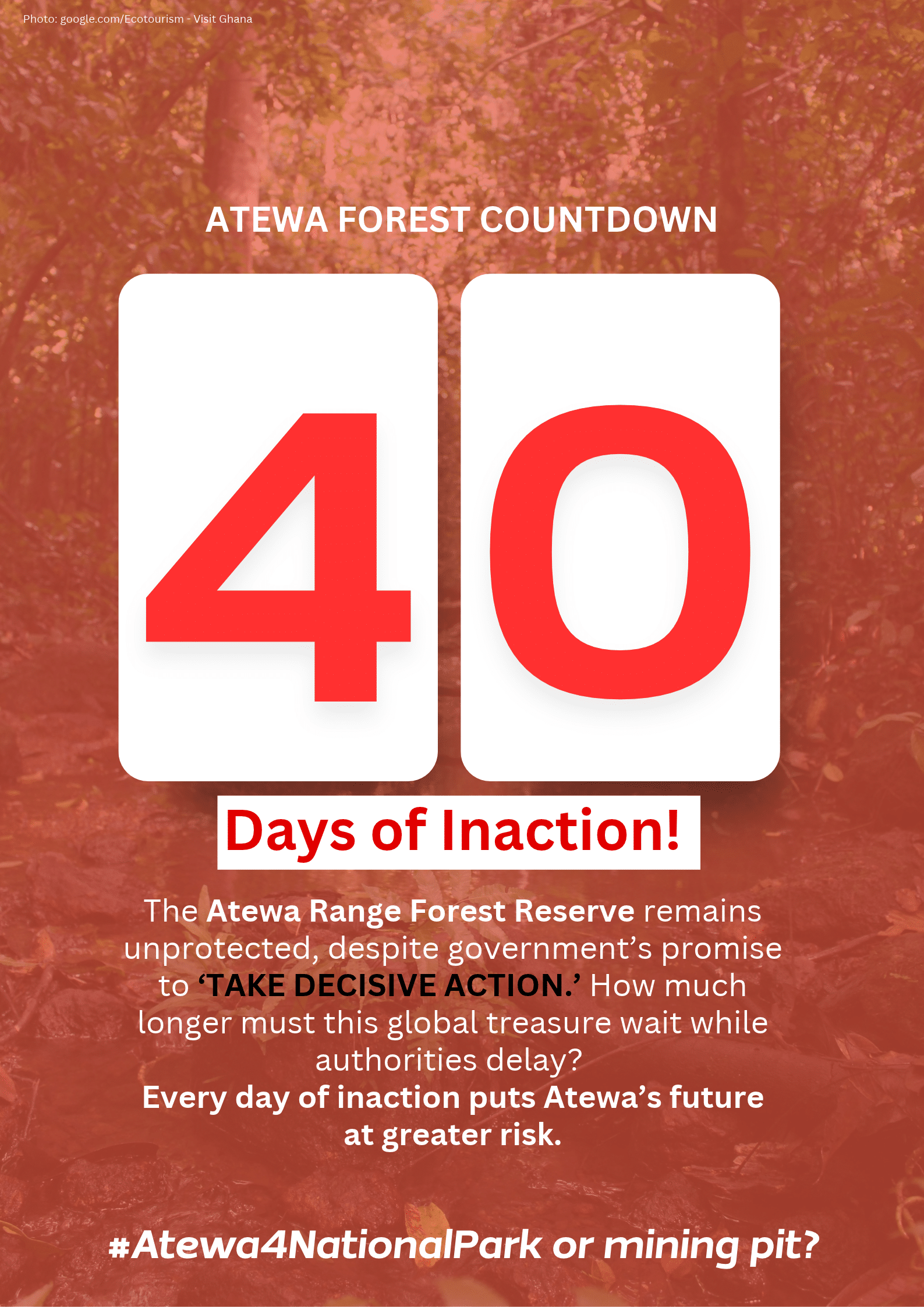
More than 66,000 seedlings of threatened tree species are back in Atewa, one of Ghana's last two upland evergreen forests, and the regulation that opened forest reserves to mining was repealed in December 2025.
66kseedlingsThreatened tree seedlings restored in Atewa Forest (more than)
100speciesThreatened or near-threatened species recorded in Atewa Forest (more than)
In five fishing towns of Ghana's Ahanta West district, fishers once paid by the fin are now trained to release critically endangered guitarfish, and some earn more from snail farms and soap than from the sea.
83peopleFishers and boat captains trained in safe release of guitarfish
200fishers (more than)Fishers who have scaled back their guitarfish harvest
Ghana's leading wildlife NGO is pulling a critically endangered tree back from the brink while training communities to steward forests and birds.
45kseedlingsTalbotiella gentii seedlings germinated
74.03hectaresTalbotiella gentii habitat restored (up from 34.53 ha)
A Ghanaian sewing workshop turns the drinking-water sachets that choke Accra's gutters and beaches into bags, wallets and accessories, paying collectors and seamstresses for waste most people just step over.
30MsachetsSachets recycled since founding
200ksachets/monthSachets collected monthly
A Ghanaian social enterprise sells ceramic-lined charcoal stoves that cut smoke, fuel bills, and burns for low-income households across West Africa.
150kstoves/yearCookstoves produced annually (group-wide)
1Mtonnes CO2e/yearGreenhouse gas emissions avoided annually