Forests
Protects one of the last wild stretches of Peruvian Amazon along the Las Piedras River in Madre de Dios.
107kacresRainforest protected
480speciesBird species recorded on protected lands
Americas · South America
10 projects · 10 organizations


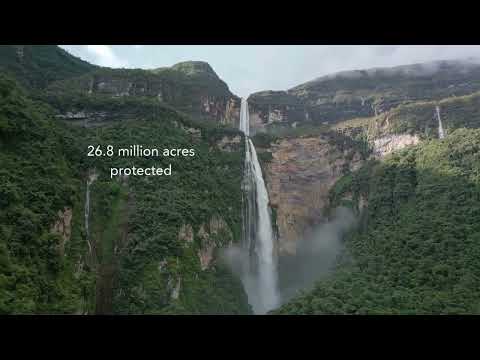


Protects one of the last wild stretches of Peruvian Amazon along the Las Piedras River in Madre de Dios.
Harvesters used to cut down a whole aguaje palm to reach one bunch of fruit; in Maijuna territory they now climb it, and the peat swamp underneath stays wet.
A Quechua-led biocultural park in the Peruvian Andes where six indigenous communities collectively steward more than a thousand native potato varieties in their original mountain landscape.
Lima's water fund is rehabilitating pre-Inca infiltration canals high in the Andes so rain captured in the wet season keeps the capital's rivers flowing through the dry months.
A Peru-based nonprofit trains volunteers and local technicians to hand-build small wind turbines that bring first-time electricity access to remote Andean communities.
A Lima-based marine biology NGO teaches Peru's small-scale fishers to safely release sea turtles caught in their nets and lines, turning bycatch victims into survivors.
As tropical glaciers retreat, Andean communities are digging out 1,000-year-old canals and reservoirs to keep water flowing through the dry season.
Quechua and mestizo highland farmers organized into a self-governed association to keep thousands of native Andean potato varieties alive in the ground, not just in gene banks.
A legal title is often the only thing standing between an Indigenous Amazon community and the bulldozers, so this program puts mapping tools and titling paperwork directly in communities' hands.
For decades the smelter at La Oroya put so much lead, arsenic and sulphur dioxide into the air that children's blood tested above safe limits almost universally — and in 2024 an international court finally said the state was responsible.