A Brasília-based seed network pays indigenous, family-farmer and urban collectors to harvest native Cerrado grasses and wildflowers, turning them back into standing savanna.
300tonnesNative seed sold since 2007
600peopleNative seed collectors organized
Associação Caatinga restores Brazil's semi-arid Caatinga biome using a long-root seedling technique that more than doubles tree survival on degraded, drought-hit land.
264hectaresDegraded Caatinga restored
272kseedlingsNative seedlings planted
Illegal gold miners use mercury to bind the gold, the rivers carry it into the fish, and the Yanomami eat the fish — so the association measured its own people's hair to prove it.
84percentHair samples above 2.0 µg/g of mercury
10.8percentSamples above the 6.0 µg/g level needing clinical attention
After record wildfires torched a quarter of the Pantanal wetland, this Brazilian NGO is paying Indigenous communities to grow and plant native seedlings that heal burned springs and riverbanks.
26% of biomePantanal biome burned in the 2020 wildfires
100kseedlingsNative tree seedlings targeted for planting through Raízes do Pantanal
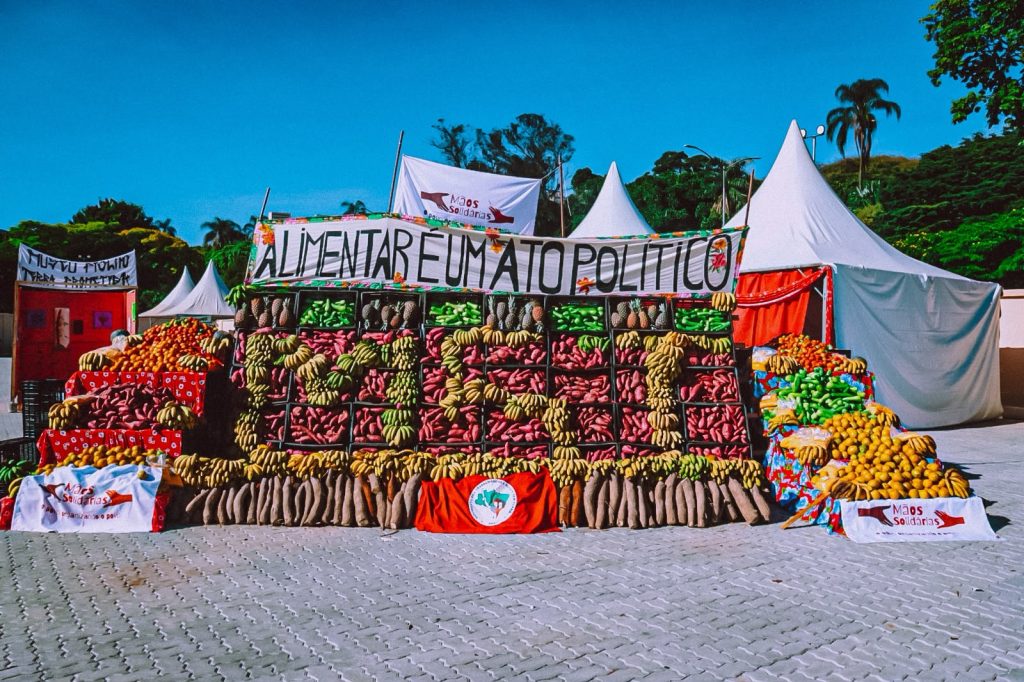
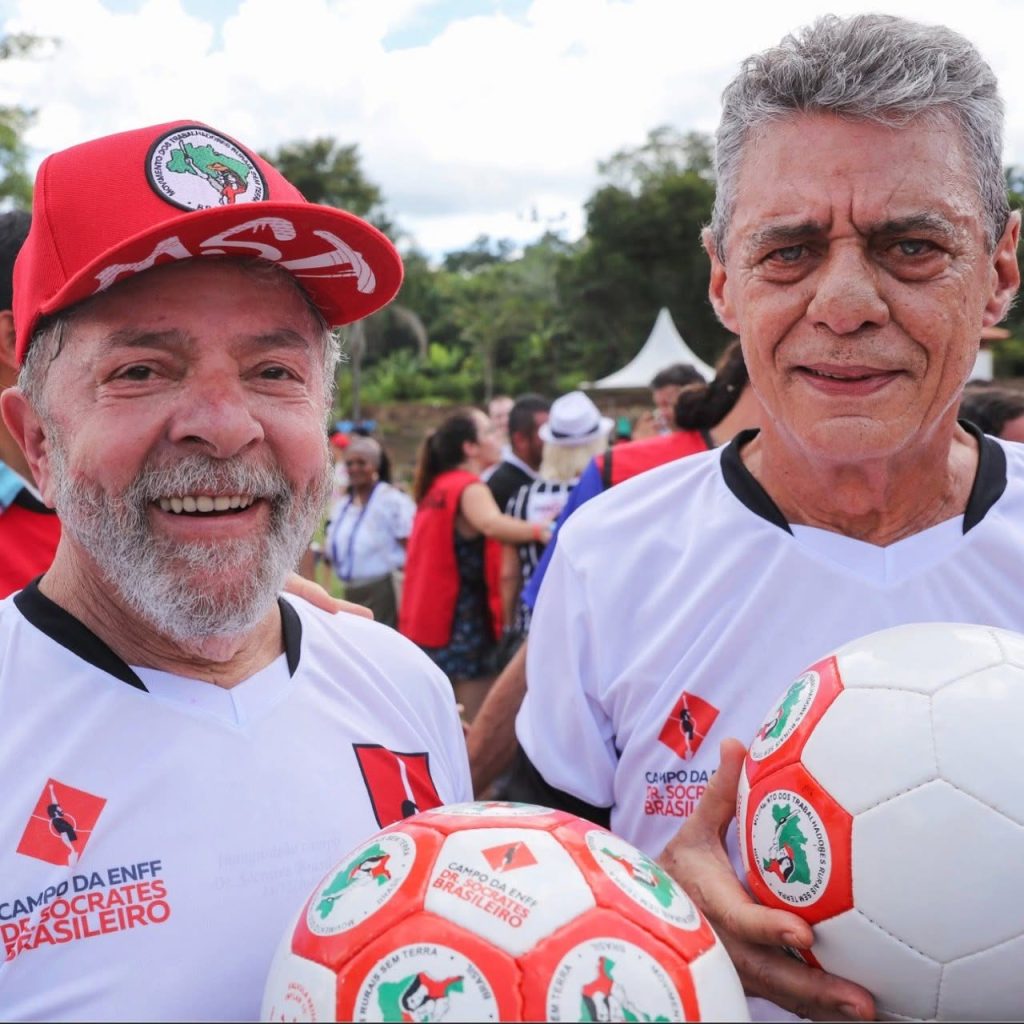
Latin America's largest social movement, born from land occupations in the 1980s, has helped hundreds of thousands of landless rural families win legal title to farmland through Brazil's agrarian reform program.
370kfamiliesFamilies settled on land won through agrarian reform
7.5MhectaresLand secured for landless families
A Brazilian NGO has spent over three decades restoring the Atlantic Forest, one of the world's most biodiverse and most destroyed rainforests.
24.7khectaresHectares of Atlantic Forest under restoration supported since 2000
Sebastião Salgado's institute that regrew a barren cattle farm into thriving Atlantic Forest.
3MtreesTrees planted
709hectaresForest restored
Instituto Aritana unites 16 Indigenous peoples of Brazil's Xingu Indigenous Territory around community-built fire management plans that pair ancestral burning knowledge with modern brigades to keep megafires out of the forest.
15plansCommunity Fire Management Plans developed with Xingu peoples
16peoplesIndigenous peoples represented across the Xingu Indigenous Territory
Rio de Janeiro's city government pays residents to grow food on vacant lots and school grounds, turning idle urban land into tons of fresh produce for vulnerable communities.
56gardensCommunity & school garden units
77tonsFood produced in 2023
A national network of beach stations that turned Brazil's five sea turtle species from bycatch statistics into a 40-million-strong conservation success story.
40MturtlesSea turtles protected/released since 1980
1,100km across 9 statesCoastline protected
Since 1986, this Brazilian collective has put cameras in the hands of Indigenous filmmakers so their own footage becomes evidence and armor in the fight to keep Amazonian territories standing.
88filmsFilms produced
40peoplesIndigenous peoples collaborated with
A São Paulo-founded institute has spent three decades mapping, litigating for and monitoring the Indigenous territories that science increasingly finds are Brazil's best defense against deforestation.
490territoriesIndigenous Lands officially recognized in Brazil
107MhectaresLand area protected within recognized Indigenous Lands