Hippo Roller
Fresh WaterHippo Roller — Rolling Water Home
A 90-litre rolling barrel that lets rural families move five buckets' worth of water in a single easy trip.
65krollersHippo Rollers distributed
56countriesCountries reached
Africa · Southern Africa
36 projects · 36 organizations
A 90-litre rolling barrel that lets rural families move five buckets' worth of water in a single easy trip.
South Africa's seabird hospital has treated over 100,000 birds as the African penguin slides toward extinction.
South Africa's Albatross Task Force trains trawler and longline crews to fit simple bird-scaring lines that have slashed albatross deaths at sea.
In South Africa's Valley of a Thousand Hills, a rural skate camp has turned empty afternoons into jobs, mentorship, and a way out for Zulu kids.
A KwaZulu-Natal theatre collective turns months of interviews with fishers, mining-affected families and marine scientists into immersive plays that put ocean governance decisions in front of the very communities they affect.
A South African trust partners with farmers to protect the world's most biodiverse and most destroyed lowland habitat, home to a huge diversity of solitary bee and bee-fly pollinators.
Grootbos leads a roughly 50-landowner conservancy protecting over 1,500 fynbos species in the Cape Floral Kingdom while training unemployed young people for green jobs.
A Dutch doctor's rural clinic in Limpopo grew into a healthcare, education, and community-development group whose youth choir went on to captivate audiences on America's Got Talent.
A purpose-built music school in Diepkloof, Soweto, gives township children free string instruments, lessons and a shot at a professional music career.
Surf therapy nonprofit using ocean-based mentorship to support youth mental health in South Africa's coastal townships.
South Africa's largest food redistribution network rescues surplus food from farms and retailers and turns it into millions of meals for people going hungry.
The street pickers who haul most of Johannesburg's recyclable packaging to market now have their own democratic union of more than 5,500 reclaimers, and they insist on being called reclaimers, not waste pickers.
What began as a festival to plant 1,000 trees in Cape Town has grown into a movement that has put more than 257,000 indigenous trees in the ground across Southern Africa.
A Cape Town bead cooperative pays township women immediately, in cash, for hand-beaded art now sold everywhere from the V&A Waterfront to international folk art markets.
A committee of Vaal River residents has spent three decades hauling South African officials to court to stop raw sewage from destroying the country's third-longest river.
More than 350 unpaid volunteers form South Africa's largest wildfire brigade, racing into the Western Cape's mountains to stop fires before they reach fynbos and homes.
South Africa's Black Mambas patrol Greater Kruger unarmed, using visible presence and community roots to push rhino poaching toward zero.
Since 2005, DUCT has been watchdog and rehab crew for the uMsunduzi and uMngeni Rivers, pairing water-quality monitoring with jobs for the communities living along their banks.
Two run-of-river turbines on the Ash River generate enough renewable power for nearly 2,000 Free State households, with a share of revenue funding local jobs, a gym and a children's daycare.
A free, uniquely South African circus school trains Cape Town youth of every background in trapeze, acrobatics and performance, turning street kids into professional artists.
In the small village of Hamburg, rural women turn embroidery, beadwork and applique into monumental tapestries that have hung in South Africa's Parliament and museums worldwide.
A purpose-built academy in Cape Town's oldest township, Langa, trains young creatives in electronic music production, DJing, and the business skills to turn beats into livelihoods.
A Durban charity that pulls vulnerable street children into surf clubs, mentorship and life-skills programs, turning some of them into surf coaches, lifeguards and professional surfers.
Off Gansbaai's shark-rich waters, researchers tag great whites while rehabbers hand-raise stranded African penguin chicks for a colony fighting collapse.
Since 2017, floating booms across KwaZulu-Natal and Western Cape rivers have intercepted more than 2.5 million kilograms of plastic before it reaches the sea.
A six-year football-and-academics programme turns talented boys from Cape Town's townships into university graduates and professional players.
An Africanised take on the American marching band turns brass and percussion into a life-skills and HIV-education programme for nearly 6,000 township and rural young people.
A Cape Town theatre company built almost entirely from township performers with no formal training reimagines Western opera and classics through South African music, dance and marimba.
Founded by a nine-year-old wheelchair user who asked her community to fund one, the Chaeli Campaign now runs inclusive early-childhood, arts, and advocacy programmes for thousands of South African children with disabilities.
Founded by Imtiaz Sooliman in 1992, South Africa's largest disaster-relief NGO drills boreholes, runs desalination plants, and trucks millions of litres of water to communities in crisis across Africa and beyond.
One integrated campus in Zwide township delivers healthcare, schooling, and family support to 2,000 vulnerable children so poverty stops with their generation.
groundWork's #DeadlyAir lawsuit forced South Africa's courts to declare toxic Mpumalanga Highveld air a violation of the constitutional right to a healthy environment.
Registered music therapists turn marimba bands, choirs and drumming circles into psychosocial support for children traumatised by violence and neglect on Cape Town's Cape Flats.
Since 2002 this Cape Town nonprofit has taught more than 9,000 people to turn small urban plots into organic food gardens that feed their families.
A pirate story that ends with children treating the litter on their own beach as treasure rather than rubbish.
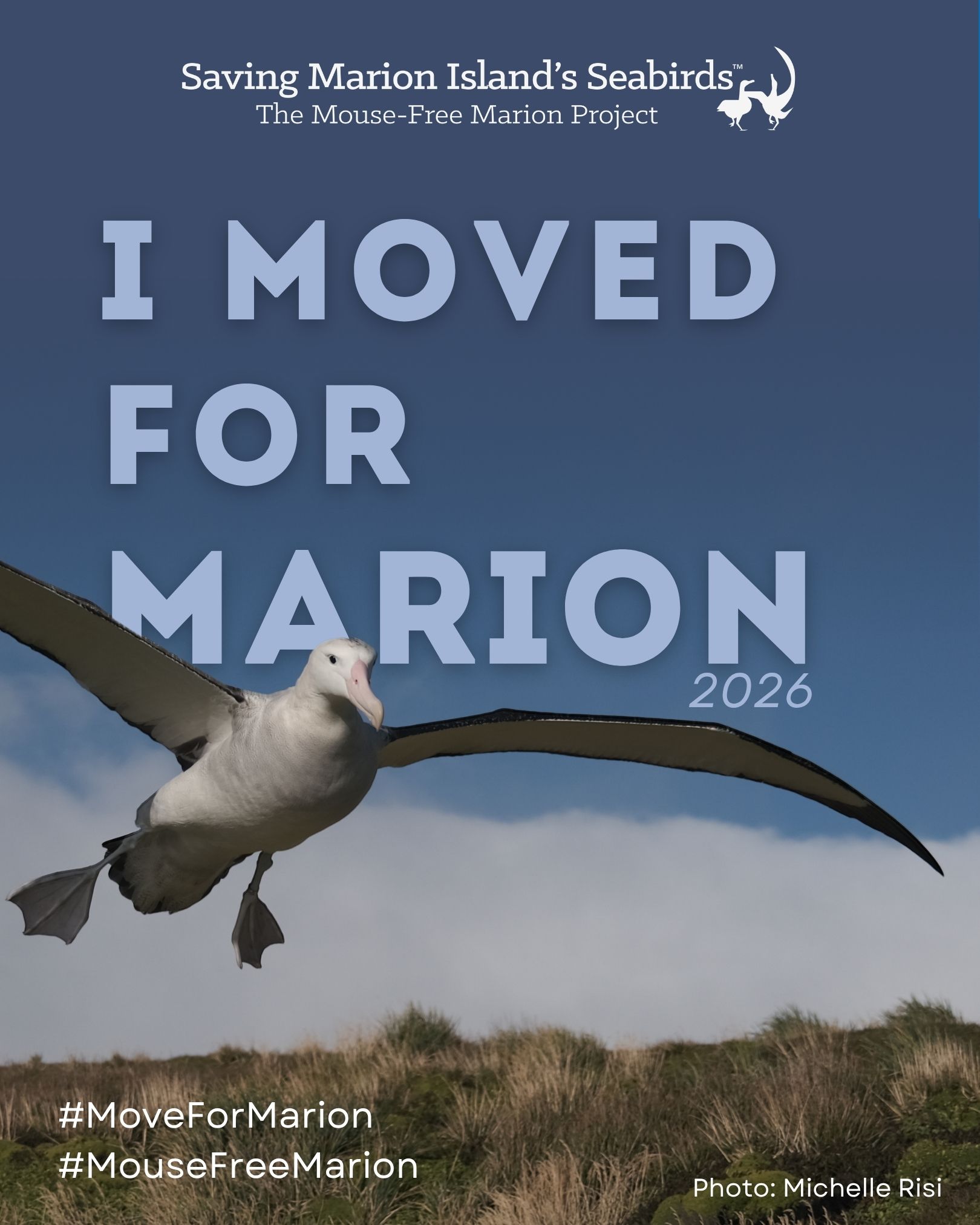
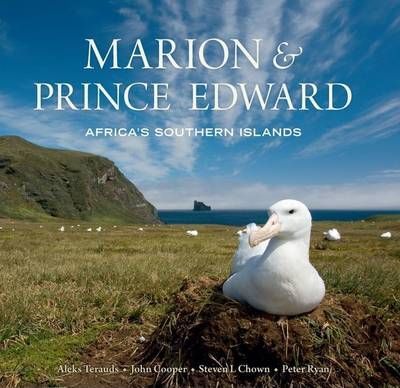
House mice reached Marion Island with sealers, ran out of insects, and learned to eat seabird chicks alive in their nests. The chicks, having evolved without predators, do not move.